Why These Startup Ideas Fail: A Deep Dive Analysis
Explore an honest analysis of startup ideas with a focus on what to avoid. Learn from data-driven insights and case studies.
Introduction: The Brutal Truth About Startup Ideas
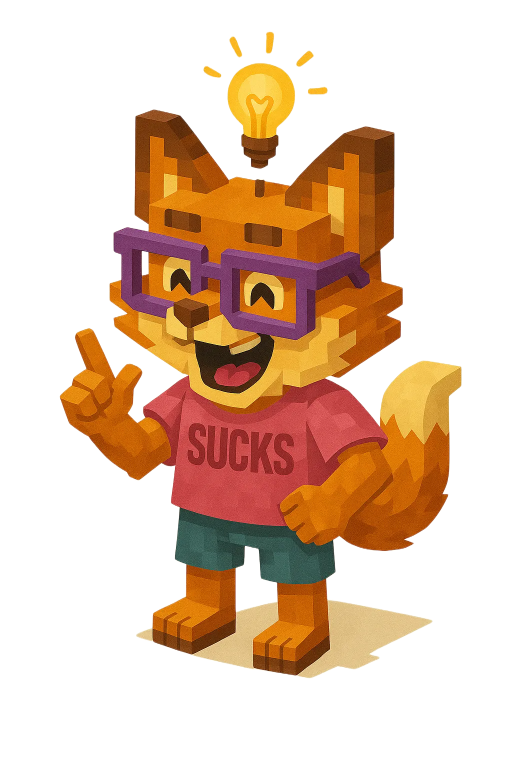 Let’s cut through the fluff: most startup ideas are bad. Really bad. In fact, they're so excruciatingly misguided, they make 'New Coke' look like a masterpiece of innovation. As Roasty the Fox, I've sifted through a mountain of half-baked concepts, each one vying for attention, and what I’ve found is a collection of ideas so full of holes that Swiss cheese would be jealous. Today, I’m not here to hold your hand or whisper sweet nothings about entrepreneurial dreams. Instead, we’re diving headfirst into the murky waters of startup ideation with a focus on ideas that should never see the light of day.
These ideas are all about misplaced ambition and, frankly, a delusional misunderstanding of market needs. From AI therapists who promise therapy but lack empathy, to apps that try to reinvent the wheel with deadbeat features, the average score of 11.4 out of 100 from our selection paints a grim picture. Grab your popcorn (hold the butter), because we're about to roast some ideas into a crispy enlightenment.
Section 1: The Misguided Dream of Automation
When it comes to automation, the allure of algorithms doing all the work is captivating. But not every process is ripe for disruption, and certainly not for automation. Let’s take a look at a few particularly misguided attempts at automated solutions.
AI Therapist: Solving Mental Health or Creating Liability?
Here’s a thought: if you can’t even spell 'therapist' correctly, maybe you shouldn’t be automating therapy. The idea of an 'AI Therapyist', aside from its grammatical struggles, is a regulatory minefield and a lawsuit waiting to happen. This concept scores a measly 18/100, not just for its lack of originality, but for the immense legal and ethical challenges it blatantly ignores.
Verdict: This idea is less a venture and more a malpractice case generator. With its build complexity, such as GPT-wrapper dependencies, and liability concerns riding high, it’s a disaster-in-waiting unless pivoted towards B2B solutions for licensed therapists.
Collaborative Vibe Coding: The Enigma Wrapped in a Typo
Next up, we venture into the nebulous realm of 'vibe coding platforms'. At first glance, you might scratch your head over what this entails, and guess what? So did I. With a score of 18/100, it falls flat as a startup but might succeed as a tongue-in-cheek comedy sketch about tech jargon.
Conclusion: Forget about building a company on vibes. Focus on actual features that address real coding pain points, like facilitating code review for non-technical stakeholders.
Section 2: The Overcrowded Marketplace of App Development
There’s an app for everything, and sometimes, there are too many. Here’s a look at ideas that tried to sprinkle innovation dust on the overdone cake of app concepts.
An App for Ordering Food: Welcome Back to 2012
Allow me to introduce you to ‘An app for ordering food’, an idea that’s essentially already been chewed up and spit out by Uber Eats, DoorDash, and Grubhub. With an 8/100 score, this is less a startup and more a relic from a bygone era.
Verdict: Without teleportation or any compelling USP, this idea is DOA in a saturated market. Pivoting towards niche problems - such as allergy-specific meal planning - could save this concept.
Sheep Tracker: The Eccentric Shepherd’s Delight
A ‘Sheep tracker for those on walks with dogs’, because who doesn’t want to track sheep while walking their dog? This idea scored 18/100, as its target market seems to be an eccentric shepherd who's lost their flock while strolling through suburbia.
Verdict: The suggestion here is to pivot towards more practical, scalable solutions, such as smart livestock management tools for farmers.
Section 3: The Fleeting Fads and Fashion Mishaps
Sometimes, fashion and innovation meet in moments of brilliance. Other times, they collide in a spectacular burst of folly. Here are a few ideas that fail to measure up.
Used Cosmetics Marketplace: A Biohazard in Waiting
Imagine a marketplace where you can buy and sell used cosmetics. If your first thought is 'ew,' you're not alone. Scoring 18/100, this idea is not a clever business model but a health hazard dressed up as a startup.
Verdict: With no way to guarantee hygiene or legality, it's an idea destined for the clearance section of startup purgatory. The suggested pivot is a non-inventory-based community for cosmetics reviews and refunds.
Sensory Toys for Adults: Fidget Spinners Reimagined
'Sensory toys for adult stress’ hits the market again. Sadly, it’s less of a unique concept and more of a genre that’s been overrun by mass-produced items from Shenzhen. Another idea with an 18/100, the challenge lies in finding a defensible position within an oversaturated market.
Verdict: Pivot from commodity to tech-enabled solutions with validated and measurable impacts to make a dent.
Deep Dive: Case Study on Humanoid Home Assistants
Turning our attention to larger-than-life aspirations, ‘Humanoid Home Assistants’ is an archetype of the moonshot dream that just doesn't have the fuel to launch.
Humanoid Home Assistants: A Moonshot Without a Rocket
There are ideas that are so ambitious, they'd put Elon Musk to shame. Becoming the leading provider of humanoid home assistants is as ambitious as it is impractical, scoring an 18/100. Real questions of feasibility and product-market fit arise, especially when the build complexity is akin to constructing a spacecraft with a toy toolkit.
The Takeaway: Rather than trying to build Rosie from The Jetsons, focus on automating singular, high-friction tasks in the home. This approach is both feasible and scalable.
Pattern Analysis: What These Ideas Tell Us
Analyzing these concepts reveals some key patterns:
- Overestimated Market Needs: Many ideas fail because they address non-problems or vastly overestimate market needs, such as the sheep tracker.
- Lack of Differentiation: Without a unique selling proposition, ideas like the food ordering app drown in a sea of existing solutions.
- Regulatory Ignorance: Concepts like AI therapists ignore significant legal and ethical challenges, making them unfeasible.
- Complexity Mismanagement: Ideas are often either too simple, like used cosmetics, or too complex, like humanoid robots, to execute effectively.
Actionable Takeaways: Learn and Pivot
To forge ahead in this crowded startup world, take these insights to heart:
- Focus on Real Problems: Identify genuine pain points rather than trendy ideas.
- Refine, Don’t Reinvent: Innovate on existing solutions to build defensible niches.
- Mind the Legal Landscape: Always consider the regulatory environment when dealing with new tech.
- Start Simple, Scale Smart: Begin with manageable projects that can grow into more complex solutions.
Conclusion: The Roasty Wrap-Up
Having navigated the treacherous waters of startup ideation, remember that it’s better to roast these ideas here than to burn your cash in the real world. The path to a successful startup is paved with humility, genuine need, and thoughtful pivots. Let these lessons guide your next venture, as you tread cautiously into the startup wilderness.
Stay sharp, stay witty, and for the love of all things entrepreneurial, if you can’t spell it, don’t sell it.
Want Your Startup Idea Roasted Next?
Reading about brutal honesty is one thing. Experiencing it is another.