Diverse Startup Ideas Demystified: See How They Score
Uncover why 2025 startup trends fail. Data-driven insights reveal common pitfalls and survival strategies for entrepreneurs.
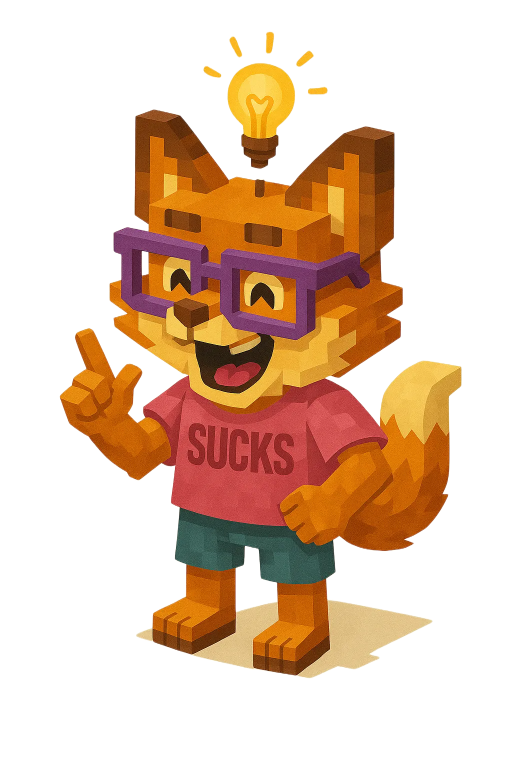 The median startup idea score in 2025 is 77/100. But if you think that's a sign of quality, think again. Roasty the Fox is here to dismantle that illusion and expose the brutal truths lurking behind these numbers. The distribution of scores paints a picture not of entrepreneurial genius but of delusion and repeated false starts. These aren't just ideas; they're lessons in what not to do. So, let me guide you through the graveyard of misguided ambitions and show you why most of these concepts are doomed before they even begin.
| Startup Name | The Flaw | Roast Score | The Pivot |
|---|---|---|---|
| Multiple Hospitals (Agents) Private Data Aggregator | Technical flex, not a business yet | 77/100 | Start with single disease registry |
| DoseReady | Simple solution for a real problem | 87/100 | N/A |
| CaregiverMatch | Vitamin, not a painkiller | 82/100 | Double down on measurable ROI |
| DipRead | Low-friction med-tech wedge | 89/100 | N/A |
| Custom Kids Cartoon | Feature, not a company | 46/100 | Interactive storybooks or games |
| Scout Admin App | Feature for audience that hates paying | 38/100 | Expand to all youth organizations |
| B2B Wholesale for Barbers | Middleman, not a founder | 44/100 | Build a lightweight SaaS platform |
| Custom Dog Photo E-commerce | Dropshipping meme | 38/100 | B2B tool for local pet shops |
| Permit | Devtools wedge that matters | 89/100 | N/A |
| NutriNest | Solid CPG, not defensible unless tech | 82/100 | Add a digital companion |
The 'Nice-to-Have' Trap
It's a tale as old as entrepreneurship itself: building something that's nice to have but not essential. Take CaregiverMatch, which scored an 82/100. It's a solid wedge into the care industry, but without proving a measurable return on investment, it's just a vitamin, not a painkiller. Despite its decent score, this idea lacks the urgency that drives fast adoption.
You can see the same in NutriNest. Standing at an 82/100, it's an execution plan grounded in reality, solving real-world problems. However, without defensibility through technology, it risks being swept aside by copycats with deeper pockets. The pivot here is clear: add a low-cost digital layer to enhance stickiness and open up upsell opportunities.
The lesson? If you can't prove that your idea will reduce costs or increase revenue from day one, you're building a want, not a need. Want to avoid falling into the nice-to-have trap? Make sure your product solves a real, burning problem that someone actively wants to pay for.
The Compliance Moat: Boring, but Profitable
Enter the world of Permit, a devtools startup that understands its market perfectly. It nailed an 89/100 by addressing a genuine, back-breaking problem in engineering: enforcing compile-time safe permissions. By focusing on security and compliance, Permit has built itself a moat around an otherwise mundane problem. Boring will always win because everyone has it, but nobody talks about it.
In a similar vein, DipRead tackles the overlooked errors in urine dipstick tests. Also scoring an 89/100, DipRead turns a common, boring error in the medical field into a profitable opportunity. Its simplicity in solving a real issue is key: no new hardware or workflow disruption, just a smarter way to do things.
These examples highlight a crucial insight: When you solve compliance or regulatory needs efficiently, you're not just providing a service: you're building a business foundation that others can't easily replicate.
The 'Feature, Not a Company' Syndrome
Some ideas look like companies but are really just clever features dressed up with business suits. Remember the Custom Kids Cartoon idea? With a score of 46/100, the concept of personalizing animations for kids seems charming. But here's the catch: it's a novelty act, not a sustainable business.
This feature trap extends to ideas like Scout Admin App, which scored a clear 38/100. It tries to solve admin problems for scout troops, but the audience isn't one that pays for software solutions. The bottom line reveals itself starkly: unless your feature solves an ongoing, recurring need, it's a hobby, not a business.
The key takeaway here? Make sure your core offering is something customers need on a recurring basis, not just a fleeting novelty.
The B2B Trap: Middleman Without Technology
The B2B Wholesale for Barbers idea hits a 44/100 for good reason: it's trying to insert itself as a middleman without adding any technological value. Attempting to streamline supply chain inefficiencies without a digital backbone is like trying to win Formula 1 with a go-kart.
Similarly, think Middlemen, not Founders. Without a technological backbone, these ventures fail to create sustainable competitive advantages and can be outmaneuvered by anyone with a rolodex. If you want to stand a chance, build SaaS platforms that automate processes like supply ordering and inventory tracking.
Deep Dive Case Studies
DoseReady
DoseReady scored an impressive 87/100 by addressing a glaring inefficiency in healthcare: medication shortages. With its no-nonsense, low-friction approach, it avoids the typical pitfalls of trying to revolutionize healthcare with vaporware AI. Instead, it offers something incredibly valuable: a simple solution to a real problem.
The Fix Framework:
- The Metric to Watch: Success depends on reducing missed doses by at least 50% in the first pilot phase.
- The Feature to Cut: Any attempt to overcomplicate with unnecessary integrations.
- The One Thing to Build: A simple, intuitive onboarding process for nurses and pharmacists.
Permit
Permit claims an 89/100 by targeting the subtle pain point of permissions in TypeScript applications. In a world drowning in RBAC and YAML, Permit cuts through the noise with developer-centric ergonomics, making their solution an easy sell to tech teams tired of policy headaches.
The Fix Framework:
- The Metric to Watch: If developer adoption rates fall below 60% within the first six months, re-evaluate approach.
- The Feature to Cut: Avoid adding overly complex integrations early on to maintain simplicity.
- The One Thing to Build: Streamlined migration support for teams adopting Permit.
Pattern Analysis
Let's face it, most startup ideas in 2025 are suffering from a lack of proper validation. Across categories, from health and wellness to B2B SaaS and even e-commerce, the gaps between ambition and execution are glaring. While the average score sits comfortably at 77/100, the reality reveals more misses than hits.
The recurring theme is painfully clear: Without a compelling and demonstrable value proposition, most ideas are doomed to flounder. Entrepreneurs are often blinded by shiny technologies or novelties that lack the urgency or necessity needed to command investment and customer interest alike.
Actionable Takeaways
- Your Idea is Not Unique: If it involves 'Uber for X', stop. You're likely solving a non-urgent, low-margin problem.
- Validate Your Pain Point: If your product doesn't solve a real problem, stop developing and rethink.
- Simplicity Wins: Avoid over-engineering. Feature creep is a startup killer.
- Avoid the B2B Middleman Trap: Middlemen need tech. No tech? You're a consultant: not a founder.
- Realize Your Real Audience: Are they willing to pay? If not, pivot or perish.
Conclusion
We live in a world where startups are often more delusion than innovation. If your idea isn't saving someone $10k or 10 hours a week, it's time to think again. The data doesn't lie: the future is unfriendly to fanciful ideas with no foundation. Avoid building castles in the sky: the ground is where the real work happens.
Written by David Arnoux.
Connect with them on LinkedIn: Check LinkedIn Profile
Want Your Startup Idea Roasted Next?
Reading about brutal honesty is one thing. Experiencing it is another.